Redesign Your Yard With Certified Artificial Grass Implementation
Changing a yard through qualified synthetic turf installation brings countless benefits. Homeowners have the capability to attain a thriving, green landscape free from the demands of conventional lawn care. Skilled installers focus on thorough preparation and superior materials, promising endurance and aesthetic charm. Property values rising alongside decreasing maintenance costs lead many to think about this contemporary solution. Still, prior to making a choice, it is important to explore the key benefits and considerations. What aspects should be evaluated during this transformation?
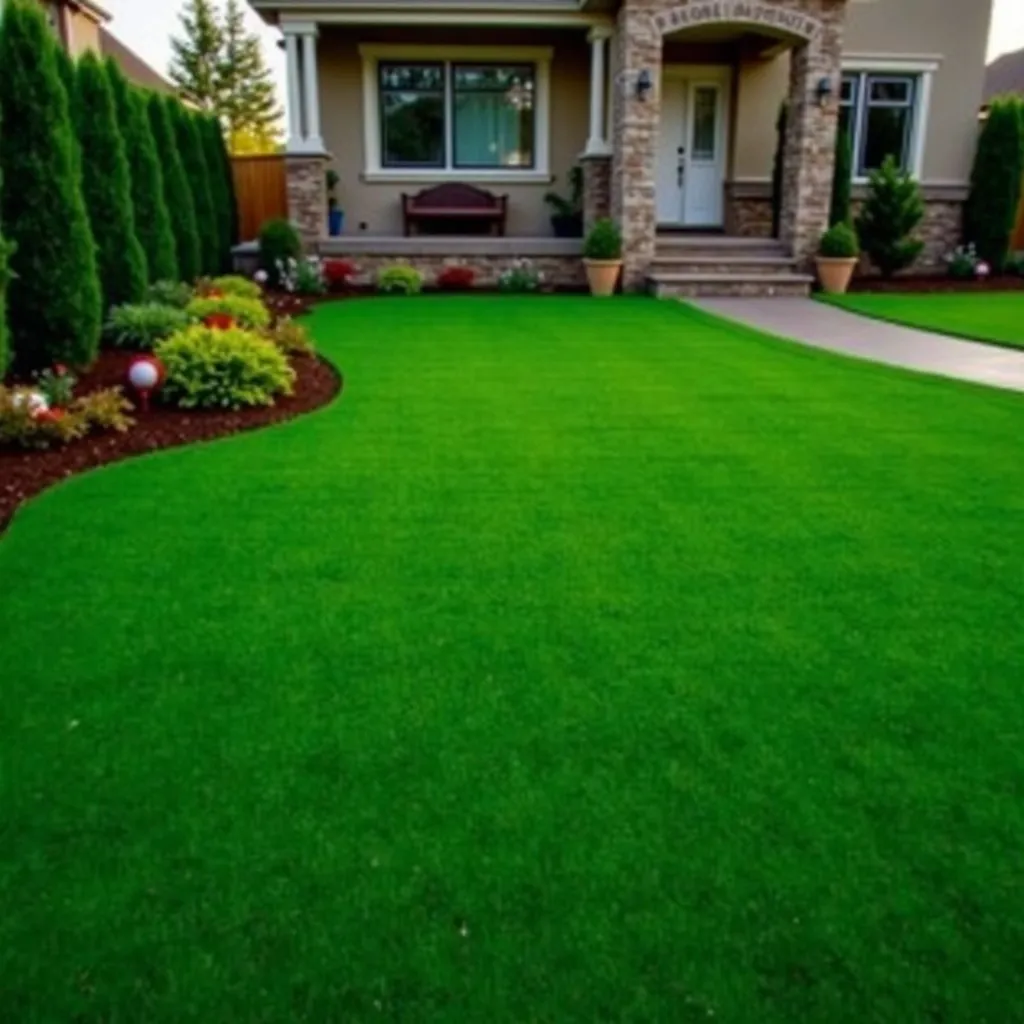
Why Go with Synthetic Turf? Key Advantages Analyzed
Synthetic turf provides many advantages that make it an attractive choice for diverse applications. One significant benefit is its low maintenance requirement. Unlike natural grass, synthetic turf does not need regular mowing, watering, or fertilization, which saves time and resources. Additionally, it remains lush and green year-round, regardless of climate conditions, providing uniform aesthetics.
One more benefit is durability; synthetic turf can resist heavy foot traffic and adverse weather without deteriorating. This resilience makes it suitable for sports fields, playgrounds, and residential lawns. Moreover, synthetic turf is designed to be safe and non-toxic, lowering the risk of allergens and pests.
Cost-effectiveness represents a significant benefit, as it can generate lower water bills and reduced landscaping expenses over time. Overall, the combination of aesthetics, durability, safety, and monetary advantages makes synthetic turf an increasingly favored choice for residential and commercial clients alike.
Finding the Most Suitable Variety of Man-made Turf
Picking the appropriate variety of artificial grass requires several important factors. Aspects like pile height, product longevity, and available appearance and feel selections play a essential role in ensuring the turf meets unique needs. Learning these aspects helps in making a well-informed decision that corresponds to usage requirements and aesthetic tastes.
Turf Pile Height Evaluations
When selecting the appropriate type of synthetic turf, pile height has an important role in both aesthetics and performance. Pile height, which indicates the length of the grass blades, greatly influences the appearance and usability of the turf. Shorter piles, typically around 1 to 1.5 inches, provide a more neat look and are often ideal for busy areas, as they prevent matting. Conversely, taller piles, measuring 2 to 2.5 inches, offer a thick, natural appearance, perfect for residential lawns and recreational spaces. However, taller turf may require more care to keep its form. Ultimately, selecting the best pile height means balancing appearance choices with pragmatic considerations to achieve the desired outcome for any outdoor space.
Material Longevity Factors
Durability proves to be a fundamental aspect in choosing the right type of synthetic turf. When considering synthetic grass, one must take into consideration the elements used in its production, as they directly influence longevity and performance. High-quality polyethylene fibers are often favored for their resilience to wear and fading, while nylon options deliver superior resilience under heavy foot traffic. Additionally, the turf's backing material plays a significant role; a robust, UV-treated backing can reinforce stability and stop deterioration over time. Understanding the infill options is also imperative, as certain materials can enhance cushioning and help preserve turf shape. Ultimately, selecting durable synthetic turf guarantees that the investment handles environmental challenges while providing lasting beauty and functionality.
Color and Texture Variations
Synthetic turf's aesthetic quality is largely rooted in its color and texture options, and selecting the best blend can greatly improve the overall landscape. Homeowners are presented with a range of tones that range from bright greens to more natural, muted tones that resemble natural grass. Texture is important as well; choices go from soft, gentle surfaces suitable for play areas to denser, more resilient varieties fit for spots with frequent walking. The combination of hue and texture can create focal points or integrate smoothly with current landscape features. Ultimately, selecting the appropriate synthetic turf not only enhances aesthetic value but also serves functional purposes, ensuring the yard remains inviting and practical for various activities.
Preparing Your Yard Set for Synthetic Turf Placement
Preparing a yard for synthetic turf installation includes several core steps. First, assessing the current landscape confirms that the area is workable for the new surface. Next, sweeping away debris and obstacles, followed by smoothing and grading the soil, creates a strong foundation for the turf.
Evaluate Your Present Landscape
How can homeowners ensure their yard is ready for synthetic turf installation? First, they should evaluate the existing soil conditions, making sure it is properly drained and without contaminants. Homeowners need to locate any slopes or irregular surfaces that may require leveling to create a stable foundation for the turf. Additionally, they should consider the sunlight and existing vegetation, as these elements influence the installation process and turf performance. It is also important to evaluate any irrigation systems, as they might require adjustment or removal. By thoroughly examining these elements, homeowners can create a favorable environment for synthetic turf, ensuring a effective and long-lasting installation. Proper assessment sets the stage for a seamless transformation of the yard.
Get rid of debris and obstacles
To ensure a frictionless installation of synthetic turf, homeowners must first clean their yard of waste and barriers. This step is important for attaining a level surface and ensuring proper liquid runoff. Homeowners should begin by clearing away any rocks, branches, or leaves that may interfere with the assembly procedure. Additionally, existing outdoor furniture, toys, and landscaping features must be relocated to provide unhindered access to the installation area. It is advisable to survey for any underground utilities, as this can circumvent potential delays. By thoroughly clearing the space, homeowners design an ideal environment for synthetic turf installation, enabling a flowing process that enhances the overall appearance and functionality of the yard.
Modify Level and Tier Soil
Achieving a level and graded surface is vital for the successful installation of synthetic turf. Correct ground treatment provides ideal drainage and decreases the risk of irregular wear patterns. This process involves assessing the terrain layout, spotting low areas, and addressing any high areas. Utilizing a rake or grading tool, the soil can be flattened and pressed, creating a standardized foundation. It is essential to remove any rocks, roots, or debris that could disrupt the installation. Additionally, guaranteeing the slope directs water away from structures helps stop standing water and improves longevity. Bringing in professionals in this step can improve precision, leading to a attractive, useful outdoor space that fulfills the visual and functional needs of homeowners.
In What Manner Does Professional Installation Extend Endurance?
While numerous elements refer to resource contribute to the longevity of synthetic turf, expert setup plays an essential role in enhancing its durability. Skilled professionals guarantee that the turf is placed on a correctly readied base, which encompasses compacting the sub-base to prevent settling and uneven wear over time. This preparation reduces the risk of shifting or wrinkling that can occur with faulty setup.
Furthermore, specialists use high-quality adhesives and connections, which are important for preserving the integrity of the grass surface. Exactness in sectioning and bonding pieces eliminates tearing and enhances the overall aesthetic.
Moreover, a practitioner understands the importance of correct infill application, which reinforces the surface and enhances stability. By following industry guidelines and proven methods, professional installers establish a strong foundation that greatly lengthens the lifespan of synthetic turf, guaranteeing it resists heavy foot traffic and variable weather conditions without deteriorating.
What Occurs During the Setup Procedure?
Synthetic turf placement unfolds through a series of carefully orchestrated steps that ensure a seamless outcome. To begin, the area is measured and marked, ensuring precise alignment and coverage. Then, the existing grass and refuse are cleared, creating a clean base. The ground is subsequently leveled to promote adequate water drainage, an important aspect in preventing water pooling.
Next, a weed barrier is installed to inhibit future growth, then the installation of a compacted base layer, usually made from crushed stone or decomposed granite. This layer improves stability and cushioning. Afterward, the synthetic turf rolls are meticulously placed, ensuring reduced seams and maximum aesthetic appeal.
The final movements entail securing the turf with stakes or cement, preceded by infilling with sand or synthetic materials to enhance durability and simulate natural grass. This detailed methodology culminates in a beautiful, low-maintenance lawn available for immediate enjoyment.
Effortless Upkeep Techniques for Your Synthetic Lawn
Taking care of a synthetic lawn is easy and requires little effort. Regular upkeep includes a small number of easy tasks to keep the turf looking pristine. Initially, occasional brushing with a hard broom can lift the fibers and stop matting, guaranteeing a natural appearance.
Next, fallen leaves and branches should be taken away consistently, either by hand or with an electric blower, to prevent buildup and potential color changes. If pets are present, rapidly tidying up after pets is crucial, as it reduces smells and keeps things clean.
Additionally, cleaning the surface with water can help eliminate dust and irritants, creating the lawn more enjoyable for everyone. For areas facing high foot traffic, periodic infill replenishment may be necessary to maintain stability and appearance. Implementing these simple approaches allows homeowners to maintain a vibrant, low-maintenance lawn year-round.
Evaluating the Costs: Is Synthetic Turf Worth Your Money?
How can one assess the value of synthetic turf compared to traditional grass? Evaluating costs involves considering both initial installation and long-term maintenance. While the upfront expense of synthetic turf can be significant—ranging from $5 to $20 per square foot—its longevity often makes it a economical choice. Synthetic lawns can last 15 to 25 years without the need for frequent mowing, watering, and fertilizing, substantially reducing ongoing upkeep expenses.
Homeowners must take into account the environmental impact. Synthetic turf removes the requirement of pesticides and herbicides, promoting a more eco-friendly landscape. Additionally, it provides a consistent, green appearance throughout the year, which can enhance property value.
In the final analysis, the worth of synthetic turf rests on personal choices and unique situations. For those pursuing minimal maintenance and visual beauty, the investment may be reasonable, while traditional grass might still suit others' needs better.
Questions That Are Commonly Posed
Can Synthetic Turf Be Placed Over Current Grass?
Yes, artificial turf can be installed over current grass, but adequate preparation is essential. This requires verifying the grass is compressed and free from debris to create a fitting foundation for the new grass installation.
What Is the Lifespan of Synthetic Turf Commonly?
Synthetic turf usually endures for 15 to 25 years, depending on elements including quality, maintenance, and environmental conditions. Regular upkeep can improve its lifespan, rendering it a durable option for various landscaping needs.
Is Artificial Turf Safe for Pets and Children?
Synthetic turf generally provides security for pets and children, as it is designed to be free from toxins and free from harmful chemicals. Consistent upkeep ensures hygiene, fostering a secure recreational space for both children and pets.
Is Man-made Turf Able to be recycled?
Yes, artificial turf can be recycled. Many manufacturers offer programs to recover old grass, enabling it to be converted into new products. This assists reduce waste and supports eco-friendly practices in landscaping solutions.
What Happens if It Rains After Setup?
After setup, synthetic turf typically drains rainwater effectively, avoiding water accumulation. However, it may need minimal upkeep after rainfall, such as brushing or removing debris, to ensure optimal functionality and look during rainy weather.